







Search Results for: Central American Hurricanes
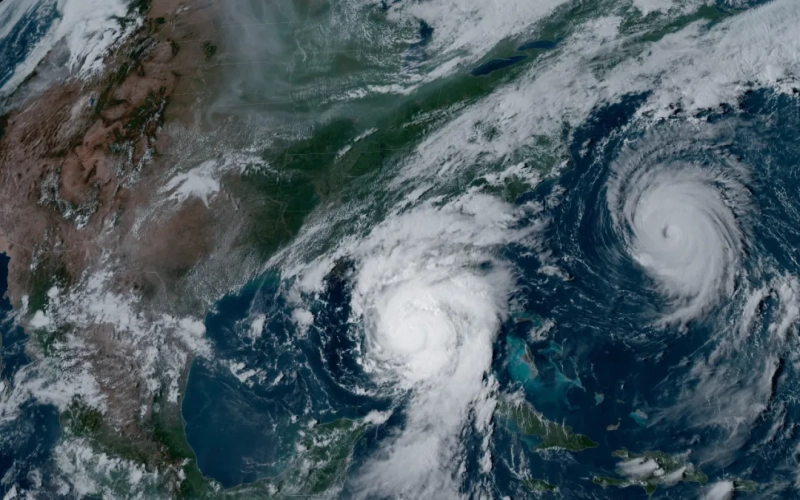
The 2024 Atlantic hurricane season is unusually active, and coffee-producing regions in Central America face dual pressures of reduced yields and exports.
The latest report from the National Oceanic and Atmospheric Administration (NOAA) shows that the 2024 Atlantic hurricane season activity could reach three times the usual level, with an 85% probability of being stronger than normal years. Warm ocean waters, reduced wind shear, and the transition from El Niño to La Niña will combine to spawn more and stronger storms. Multiple coffee-producing countries along the Gulf of Mexico, the Caribbean Sea, and the Atlantic coast—including Mexico, Cuba, Jamaica, Honduras, Nicaragua, Guatemala, and Costa Rica—may all be affected. The strong winds and heavy rain brought by hurricanes not only threaten coffee flowering and harvesting, but may also disrupt shipping, drive up transportation costs, and exacerbate coffee price fluctuations. This article reviews the hurricane season forecast data, the affected producing regions, and the potential impact on the coffee industry, for the reference of coffee enthusiasts. [more…]
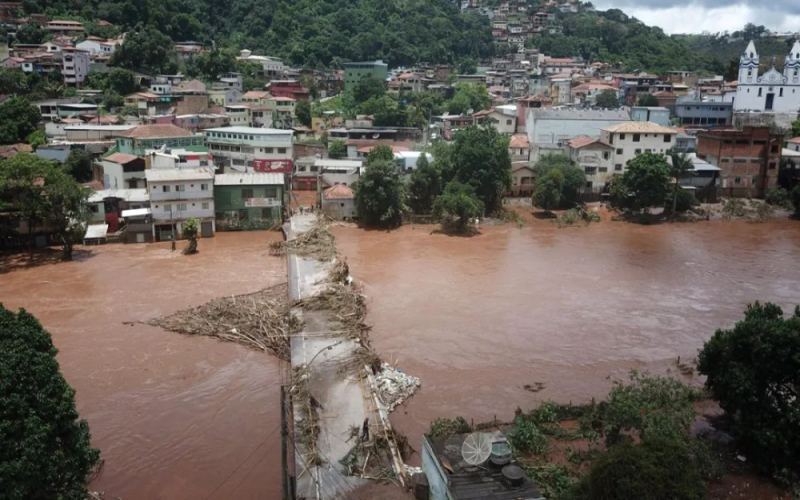
Pressure from reduced coffee harvests in many countries worldwide is intensifying, and international futures prices are unlikely to fall back in the short term.
Recently, international investment bank Hedgepoint released a coffee futures price report noting that global coffee supply faces multiple uncertainties, with futures prices continuing to run at high levels and limited room for decline in the short term. Brazil, as the world's largest coffee producer, has seen its Arabica production forecast revised downward due to drought, high temperatures, and unstable rainfall; several Central American countries have suffered severe damage to coffee crops and infrastructure from hurricanes and storms. Although Colombia's new crop season is expected to see a slight increase in production, it is unlikely to offset the overall decline in major producing regions. Combined with potential climate disruptions from La Niña, international coffee prices are expected to remain firm. Stay tuned to origin developments—Front Street Coffee continues to track them for you. [more…]
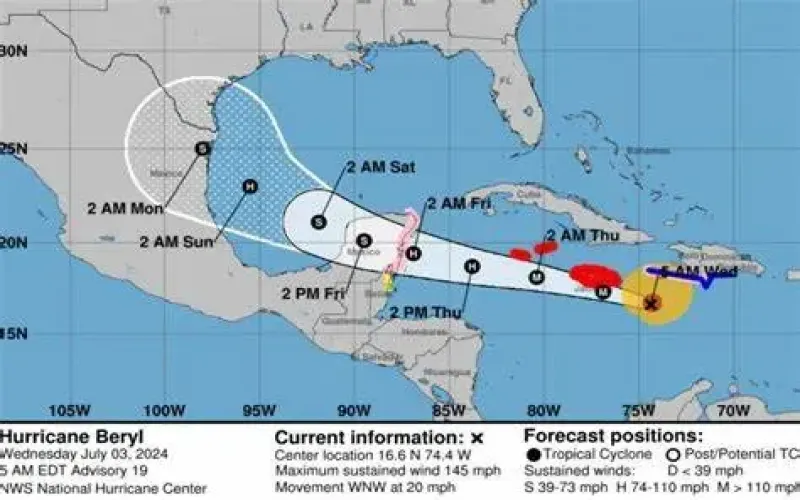
The Atlantic hurricane season is unusually active, and coffee-producing regions in Central America face a dual test of output and exports.
The 2024 Atlantic hurricane season was predicted by NOAA to be "extraordinary," with risk reaching up to three times the usual level. The first hurricane of the season, Beryl, intensified to Category 5 in July, devastating the Caribbean region, with the coffee industries of Jamaica, Haiti, the Dominican Republic, and other areas facing direct threats. Although Mexico's main coffee-producing regions are located in the south and the hurricane's path skewed northward, infrastructure damage and shipping disruptions could still indirectly affect the entire Central American coffee supply chain. Looking back at the devastation caused by Eta and Iota in 2020, the impact of hurricane season on the coffee flowering and harvest periods is especially lethal and may further exacerbate fluctuations in international coffee prices. [more…]
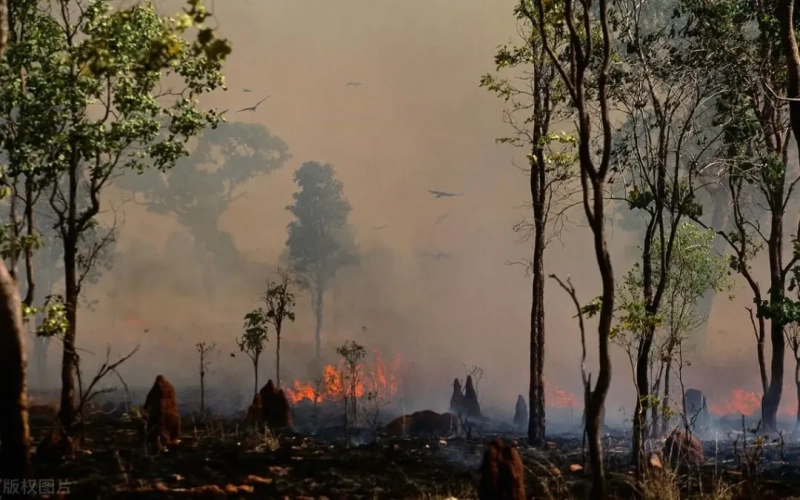
La Niña Arrives in Succession: Global Coffee Production and Prices Face New Variables
The lingering effects of El Niño in 2023 have not yet subsided, and La Niña may make a comeback in the summer of 2024, leaving global coffee-producing regions caught in a double bind of extreme weather. Drought during Brazil's flowering period, water shortages on Vietnam's highlands, coexisting floods and droughts in Africa, and the threat of hurricanes in Central America—the production outlook for major growing regions is shrouded in uncertainty. At the same time, rising demand for Robusta in European and American markets, combined with reduced output in several producing countries, has already triggered sharp fluctuations in international coffee prices. This article will examine how climate is disrupting the coffee supply chain and analyze the key variables shaping price trends in the second half of the year. [more…]
A Detailed Guide to the Characteristics of Honduran Coffee Regions and the Grading System: From Geographic Advantages to Altitude Grades
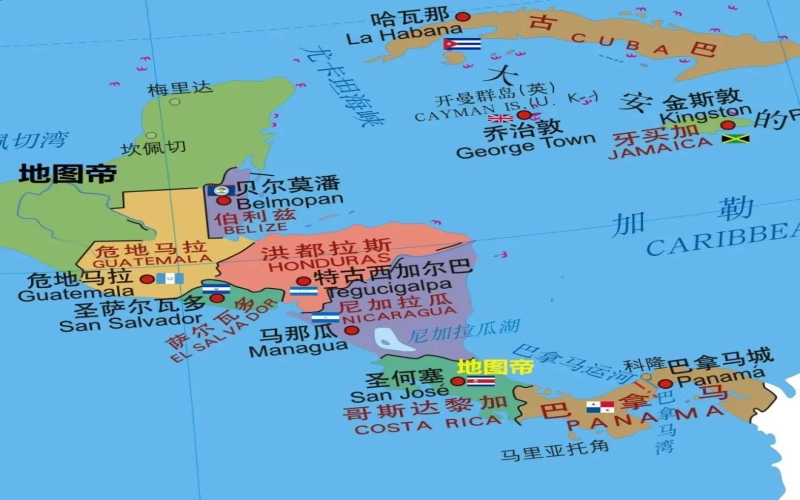
Honduras is the largest coffee producer in Central America and the fifth largest coffee-producing country in the world, maintaining high quality alongside high yields. This article will guide you through the history of Honduran coffee, its geographical conditions, the characteristics of its six major regions, and the grading standards based on altitude. From the introduction of coffee by Spanish merchants in the 18th century, to its recovery after being struck by hurricanes and leaf rust, Honduras—with its mountainous terrain, volcanic soil, and mild climate—has cultivated a delicate and balanced coffee flavor. Among these, the Opalaca region has performed impressively on the COE list in recent years and is worth the attention of coffee lovers. Front Street Coffee will also recommend Honduran coffees worth trying. [more…]
Complete Guide to Nicaraguan Coffee Origins: From Planting History to Front Street Coffee's Gift of Heaven Estate Pour-Over Flavor Guide
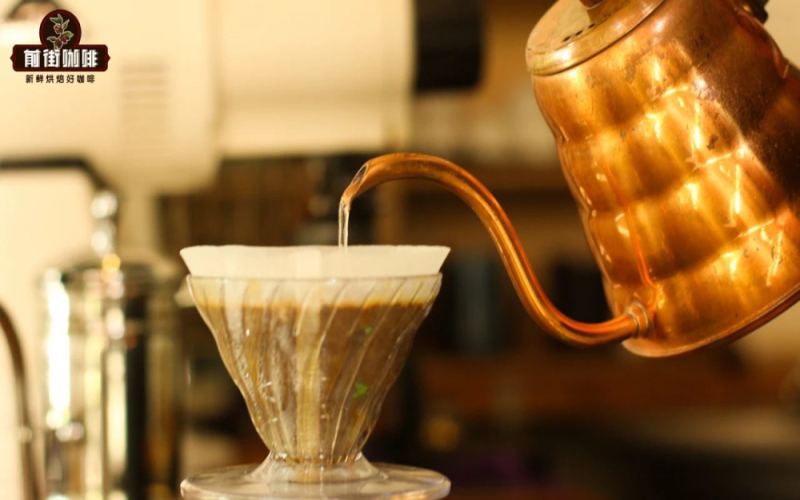
Nicaragua, with its fertile volcanic soil and continuously improving transportation infrastructure, is gradually emerging from the shadow of war and natural disasters to become a coffee-producing country worth watching in Central America. This article traces the country's coffee industry through its tortuous history from the 19th-century boom to its 21st-century revival, provides a detailed introduction to its grading system and the distribution of its four major producing regions, and, using the sun-dried Red Catuai from Finca La Divina Providencia in Nueva Segovia selected by Front Street Coffee as an example, presents the complete parameters from roasting and bean resting to a three-stage pour-over. Finally, it summarizes the complex flavor profile of this bean, in which berries, caramel, and grapefruit interweave. [more…]
Front Street Bean Hunters' Notes: A Complete Analysis of the Flavor and Roasting of Nicaragua Los Congos Estate Villa Sarchi Natural Coffee
Although Nicaragua is not as well-known as other Central American countries, it possesses high-altitude shade-growing conditions and fertile volcanic soil that are no less impressive. The Villa Sacchi natural bean from Los Congos Estate, sourced this time by Front Street Coffee, comes from the Nueva Segovia region, at an altitude of 1,350 to 1,650 meters, SHG grade. The estate insists on self-sufficiency and organic cultivation, and its Pacamara once won runner-up in the COE. This Bourbon varietal bean, after natural processing, presents intertwined flavors of floral notes, citrus, berries, cream, and peanut, with a full and balanced mouthfeel. Front Street Coffee's roaster adopted a lower bean-charging temperature with a medium flame that gradually decreases, developing for 1 minute and 50 seconds after first crack, and dropping at 195°C, performing excellently in both cupping and pour-over. [more…]
Analysis of Coffee Characteristics in Honduras' Opalaca Region and the Renowned La Fresa Estate
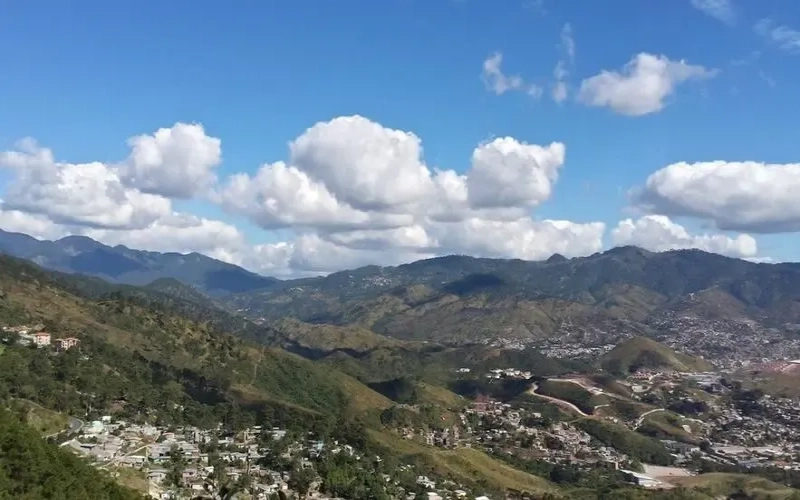
Honduras, with its high-altitude mountains, volcanic soil, and diverse climate, has become a major specialty coffee producer in Central America. Its coffee institute, IHCAFE, divides the country into six major producing regions. Among them, the Opalaca region, though less famous than Montecillos and Comayagua, is known for its delicate acidity and tropical fruit and lemon flavors. This article will trace the development of Honduran coffee, provide an in-depth analysis of the terroir conditions of the Opalaca region, and introduce the well-known estate La Fresa in this region and its story of winning third place in the 2023 Cup of Excellence (COE). At the same time, Front Street Coffee will also recommend related products to help you savor the charm of this land. [more…]
A Comprehensive Analysis of Nicaraguan Coffee Regions: Flavors and Brewing from Jinotega to Maracaturra Varieties
When people mention Nicaragua, most first think of its magnificent waterfalls, yet the country's coffee has long been overlooked on the international stage. In fact, Nicaragua's natural conditions are in no way inferior to those of other coffee-producing countries in Central America, and its coffee is renowned for its balanced flavor: smallholder lots display a clean brightness and soft acidity reminiscent of Costa Rica when lightly roasted, while taking on a sweet, full-bodied richness like Colombia's when darkly roasted. This article takes you on a tour of Nicaragua's four major coffee-producing regions, covering their geography and climate, grading system, coffee development history, and the distinctive Maragogype and its derivative varieties, along with the washed pour-over parameters and flavor description for Front Street Coffee's Buena Vista Estate Maracaturra. [more…]

Coffee futures hit another record high: closing at 279.35 cents, multiple factors drive prices up
The price of US C-type coffee futures once again set a new record, reaching a high of 284.93 cents per pound and finally closing at 279.35 cents per pound. Behind this round of gains is a mix of multiple factors: drought and fires in major South American producing regions, the postponement of the EUDR regulation, the limited effect of Brazil's rainy season, the impact of the Atlantic hurricane season, the strengthening of the US dollar driven by the US election, and the Red Sea crisis together with rising container freight rates. Although the EU has already approved a one-year delay in the implementation of the EUDR, the market's concerns about tight global coffee supply have still not faded, and futures prices are expected to remain high in the short term. [more…]

A Complete Guide to Latin American Coffee Regions: Flavor Profiles, Processing Methods, and Brewing Guides for Signature Beans
Among the world's three major coffee-producing regions, Latin America stands out for its balanced taste and rich, cocoa- and dark-chocolate-like flavors. This article systematically reviews the coffee-growing backgrounds, main producing areas, processing method characteristics, and flavor profiles of countries such as Brazil, Colombia, Panama, Costa Rica, Honduras, Jamaica, Guatemala, and Nicaragua, and combines them with Front Street Coffee's everyday beans series and brewing methods to help coffee lovers build an overall understanding of Latin American coffee, making it a valuable reference for both everyday purchasing and pour-over practice. [more…]
A Complete Analysis of Latin American Coffee Regions: Flavor Profiles and Processing Methods of Coffee Beans from Eight Countries Including Brazil and Colombia
Latin America is one of the most important coffee-producing regions in the world. From Brazil to Colombia, from Panama to Guatemala, each country shapes a distinctively different coffee flavor profile through its unique geography and processing methods. This article systematically reviews the producing regions, bean varieties, processing methods, and cupping performance of eight major Latin American coffee-producing countries, and combines Front Street Coffee's daily drinking bean series with Front Street Coffee's brewing methods to help coffee lovers fully understand the balance and cocoa-chocolate notes of Latin American coffee. Whether you are a beginner just starting out or a seasoned enthusiast, you can find the cup that suits you. [more…]
A Complete Guide to Latin American Coffee Regions: Varieties, Processing Methods, and Flavor Profiles from Brazil to Guatemala
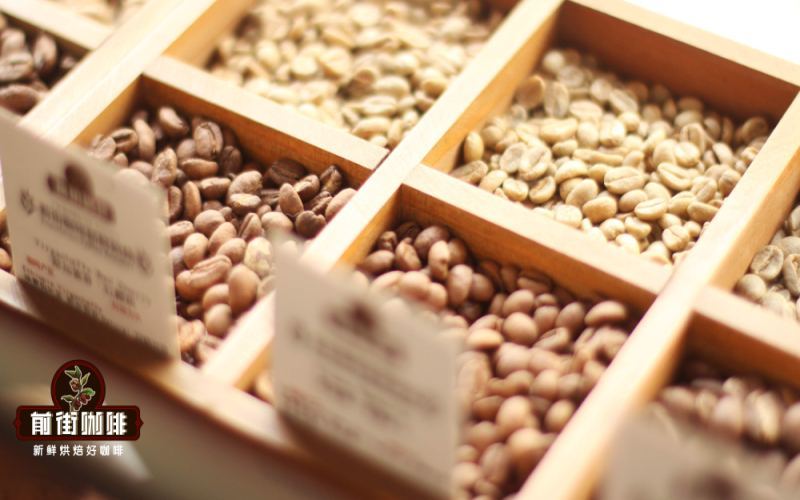
Among the world's three major coffee-growing belts, the Latin American region stands out with its distinctive chocolatey and nutty rich tones. From Brazil's nutty sweetness and Colombia's balanced acidity, to Panama Geisha's floral legend, Costa Rica's honey-processing sweet experiments, and on to Jamaica Blue Mountain's classic balance and Guatemala's volcanic flavors, each producing country relies on unique geographical conditions and processing techniques to create highly recognizable cup profiles. This article systematically reviews the coffee varieties, mainstream processing methods, producing region distribution, and grading systems of eight Latin American countries, and, combined with Front Street Coffee's brewing demonstrations, fully presents this region's flavor landscape and bean selection logic. [more…]
The Complete Guide to the Bourbon Coffee Family: Detailed Explanation of Red Bourbon, Yellow Bourbon, Pink Bourbon, and the Rare Pointed Bourbon Variety
Bourbon coffee is a classic, long-standing variety within the Arabica species, equally renowned as Typica, and has given rise to multiple branches such as Red Bourbon, Yellow Bourbon, and Pink Bourbon. This article systematically reviews the origin, spread, variety characteristics, and flavor profiles of Bourbon coffee, covering the rich sweetness of Red Bourbon, the bright high acidity of Yellow Bourbon, the rare pink cherries of Pink Bourbon, and the nearly extinct Pointed Bourbon. It also introduces natural mutations such as Pacas and mentions Front Street Coffee's everyday bean recommendations, providing coffee enthusiasts with comprehensive variety knowledge. [more…]
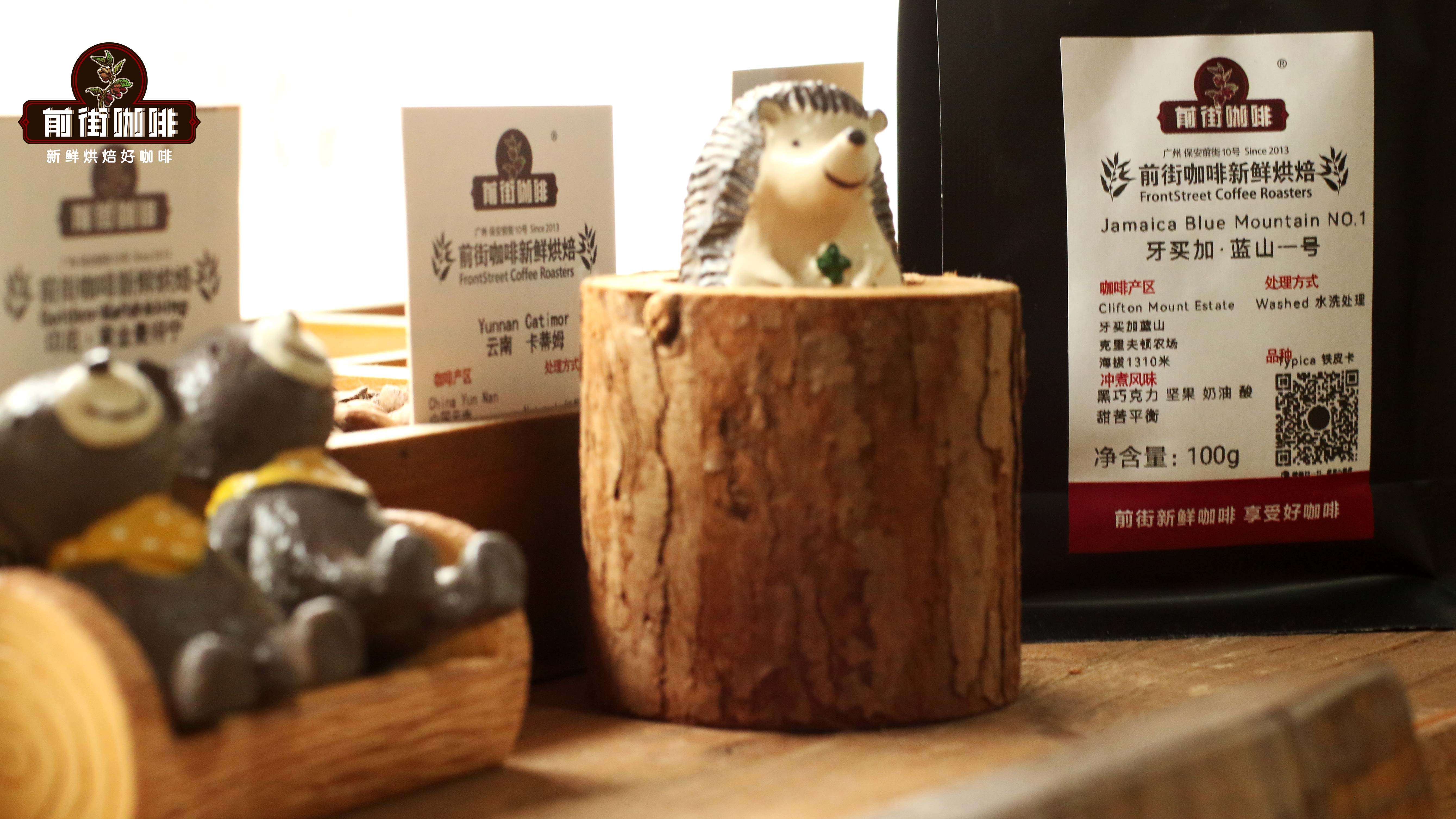
A Complete Analysis of Jamaican Blue Mountain Coffee Origins: A Detailed Explanation of the Three Major Producing Regions Including St. Andrew and the Grading System
Jamaican Blue Mountain coffee is globally recognized as one of the top specialty coffees, but the market is flooded with countless imitations labeled "Blue Mountain flavor" or "Blue Mountain blend." Authentic Blue Mountain coffee beans come exclusively from three major regions in Jamaica's Blue Mountain range: Saint Andrew, Portland, and Saint Thomas. This article will guide you through Blue Mountain coffee's geographical advantages, historical background, strict grading system, and unique barrel-export tradition. Meanwhile, Front Street Coffee will share the reasons behind selecting Clifton Farm Blue Mountain No. 1, along with pour-over brewing parameters and flavor profile, helping coffee enthusiasts gain a comprehensive understanding of this legendary coffee. [more…]
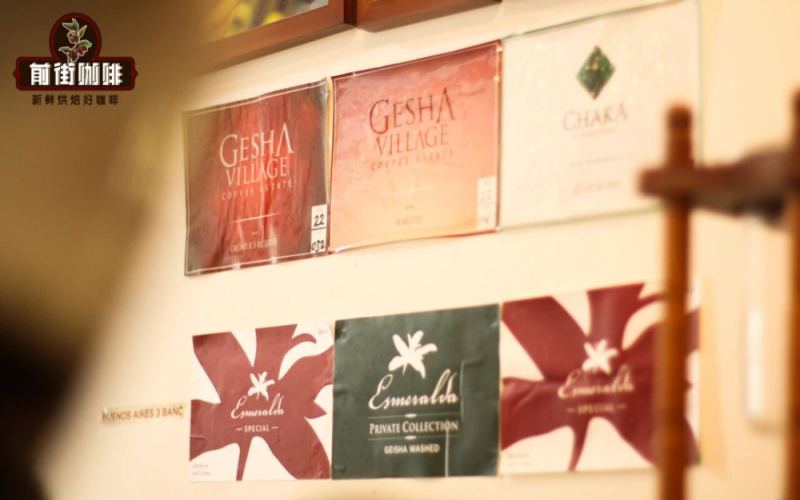
A Complete Analysis of Panama's Coffee Regions: The Renowned Estates of Boquete, Hacienda La Esmeralda, Elida, and Hartmann
Although Panama is a small country, it occupies a pivotal position on the world specialty coffee map thanks to top-tier varieties such as Geisha. This article will take you into this famous coffee country in Central America, covering everything from its geography and climate and the cultivation methods of the Boquete producing region to the terroir characteristics and signature products of well-known estates such as Hacienda La Esmeralda, Elida Estate, and Hartmann Estate, sorting out the appeal of Panamanian coffee one by one. Front Street Coffee will also share brewing suggestions and flavor descriptions for several Panamanian famous-estate beans, helping coffee lovers gain a more comprehensive understanding of why this land can produce such outstanding green bean quality. [more…]
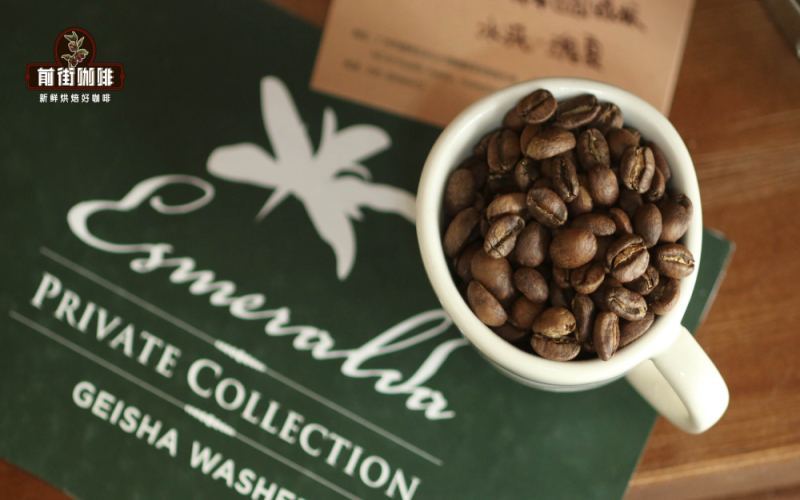
Panama Geisha Famous Estates Roundup: A Full Analysis of Hacienda La Esmeralda, Elida, and Hartmann Specialty Coffee
Although Panama is not a large country in terms of land area, it occupies a pivotal position in the global specialty coffee world thanks to the Geisha variety. Front Street Coffee has long followed and roasted Panamanian Geisha, and knows well both the excellence of its green bean quality and its high price. Starting from the terroir of the producing region, this article will systematically sort out the cultivation methods and microclimates of the Boquete area, and introduce one by one the variety characteristics, processing methods, and flavor performance of three representative famous estates: Hacienda La Esmeralda, Elida Estate, and Hartmann Estate. The article also includes Front Street Coffee's brewing parameters and technique suggestions for each estate's beans, for coffee lovers to refer to and put into practice, entering the wonderful world of this famous coffee country in Central and South America. [more…]
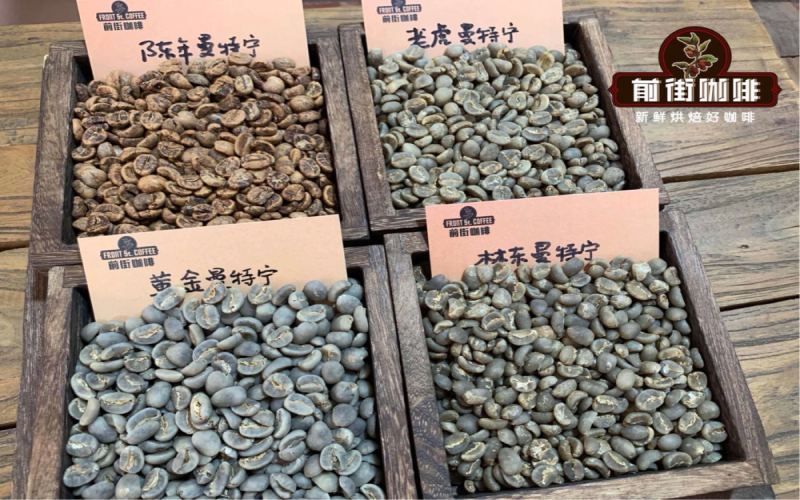
Comparison of Flavor, Production Regions, and Grades: Sumatra Two Lakes Double Mandheling vs. Jamaican Blue Mountain Coffee
Sumatra's Mandheling and Jamaica Blue Mountain are two classics in the coffee world that are vastly different in style yet equally highly regarded. The former, centered on Lake Toba and Lake Tawar, forms the rich and mellow "Two Lakes, Twin Mandhelings"; the latter, by virtue of the unique terroir of Jamaica's Blue Mountain range, has earned the name of the balanced and elegant "Coffee Beauty." This article will systematically sort out the differences between Mandheling and Blue Mountain coffee from multiple dimensions including production region history, growing conditions, processing methods, grading, and cupping flavors, while preserving Front Street Coffee's recorded tasting notes on PWN Golden Mandheling and Blue Mountain No. 1, to help coffee enthusiasts more clearly understand the character and value of these two beans. [more…]
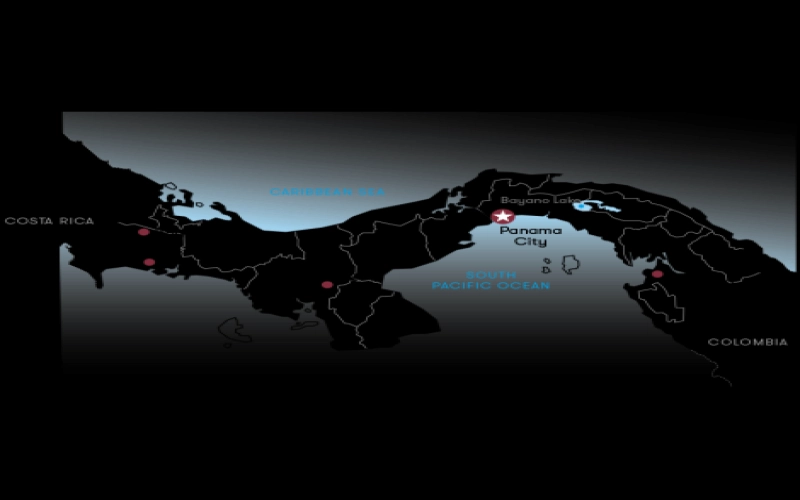
The Origin Stories of Panama Geisha Coffee Beans from Three Famous Estates and an Analysis of Red Label Geisha's Flavor and Taste
Panama Geisha coffee is renowned worldwide for its scarce production and exceptional quality. Front Street Coffee has been roasting Panama Geisha year-round and knows well the preciousness of its green beans and the challenges of roasting. This article will take you into Panama, a famous coffee country in Central and South America, and comprehensively analyze the reasons behind the outstanding quality of Panama Geisha green beans, from the climate of the producing regions and cultivation methods to the history and terroir of Hacienda La Esmeralda, Elida Estate, and Hartmann Estate. The article will also share Front Street Coffee's brewing recommendations and flavor descriptions for Red Label Geisha, Elida Typica, and Hartmann wine process, suitable for every reader who loves specialty coffee and wants to gain a deeper understanding. [more…]
How Does Mandheling Differ from Jamaican Blue Mountain? A Full Analysis of the Flavor Characteristics and Origins of Lianghu Shuangman and Blue Mountain Coffee
Mandheling and Jamaican Blue Mountain—one is the robust representative of Sumatra, Indonesia, and the other is the elegant exemplar of a Caribbean island. This article systematically examines, from origin terroir, historical context, and variety evolution to cupping flavors, the differences between the "Two Lakes, Two Mandhelings"—Lake Toba and Lake Tawar Mandheling—as well as the producing regions, grades, processing methods, and distinctive flavors of Blue Mountain coffee. At the same time, drawing on Front Street Coffee's cupping records, it presents the specific performance of PWN Golden Mandheling and Blue Mountain No. 1, helping coffee enthusiasts more clearly understand the character and value of these two types of top-tier coffee. [more…]